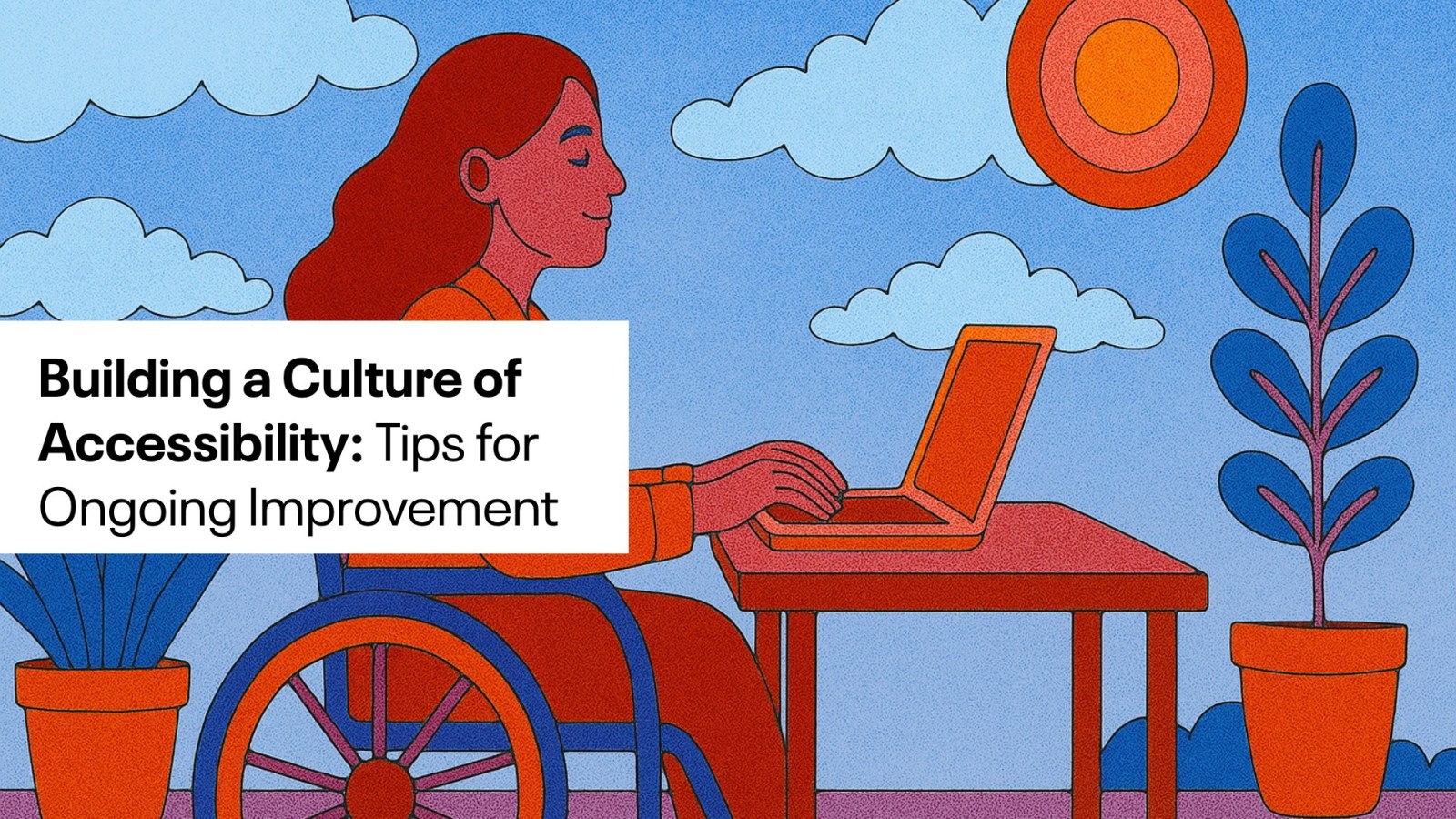
Accessibility is more than just a checkbox; it’s a mindset. A culture of accessibility means that your digital presence isn’t only compliant with AODA or WCAG guidelines; it’s also welcoming, inclusive, and built to meet the needs of every visitor. At cHaus Marketing, we believe that accessibility should be a part of every project from day one, not something tacked on at the end.
So just how do you move from a compliance mindset to the cultural shift that makes accessibility a part of everything your company does? It’s all about releasing the idea of attaining perfection (which isn’t realistic) and committing to a culture of ongoing improvement, making accessibility a part of your corporate DNA, and ensuring your digital experiences are usable for everyone by inviting diverse voices to the table.
Start With Awareness
The first step to building a culture of accessibility is education. You don’t know what you don’t know. Many barriers to accessibility are invisible to those who don’t experience them first-hand.
From colour contrast issues to screen reader compatibility and the need for alt text and video descriptions, understanding how different groups of people navigate the web helps teams make better decisions. Workshops, training, and team discussions, especially when you include stakeholders from marginalized groups, can spark awareness and build empathy.
Make Accessibility a Shared Responsibility
Accessibility shouldn’t and can’t belong to just one person or department. It touches design, development, content, and marketing, to name just a few. A culture of accessibility thrives when everybody takes ownership of it.
Designers choose accessible colour palettes and minimize text on graphics; developers write clean, semantic code that flows logically; content creators write with clarity and structure; and marketing ensures that nothing gets posted without alt text, captions, and video descriptions.
When everybody makes accessibility a priority, the result is a seamless experience for all users.
Integrate Accessibility into Every Project
When accessibility is an afterthought, it shows. Accessibility shouldn’t be a last-minute add-on, because the end result is rushed and usually subpar. When accessibility is baked into the process (whether that process is building a website, writing blog content, or launching a marketing campaign), you avoid needing to redo efforts to make them compliant. Think about accessibility at every stage of the process, from planning through launch, and it will become second nature.
Keep Testing and Iterating
Digital spaces evolve, as do accessibility standards and best practices, which means that accessibility can’t be a one-time event. Conduct regular audits of your site and content, test with actual assistive technology wherever possible and do ongoing reviews to ensure your platforms remain accessible as you grow and update.
Remember that the goal should be continuous improvement and not instant perfection.
Solicit Feedback from Real Users
While online accessibility checking tools are great and improving all the time, automated testing cannot and should not replace feedback from actual users. Invite input from users with disabilities and consider creating feedback loops on your site where people can report problems. Listening directly to your audience will help you catch issues and show your commitment to inclusion.
Accessibility isn’t just about writing for a small population of users. With at least 20% of the population having a disability that impacts how they interact online, an aging population that benefits from accessible design, and the global nature of the internet, meaning that non-native English speakers are increasingly accessing English language websites, it’s fair to say that a majority of visitors to any website benefit from accessible design.
Building a culture of accessibility means staying committed, embracing continuous learning, and putting people first.
At Collaborative Haus, we believe that inclusive design isn’t just the right thing to do; it’s the smart business choice. When everyone can access and engage with your content, you increase the likelihood that the right people will do so, boosting your ROI and expanding your audience.
If you need help with accessibility or have questions about the benefits of creating a culture of accessibility, reach out to us, we’re happy to help.