
When it comes to SEO, thinking globally is great, but if your business relies on local customers, you need to get hyper-local. That’s where local SEO comes in, and at the heart of good SEO is keywords. The words your potential customers type into search engines can make all the difference between showing up on their radar or disappearing into the depths of page three of Google results.
At cHaus, we approach local SEO with the same strategy and creativity we bring to every client. It’s not just about sprinkling city names into your content (although if you don’t have your location on your website, we’ll definitely suggest that), it’s about understanding what your local audience is searching for and making sure your business shows up exactly when they need you.
What Makes Local SEO Different?
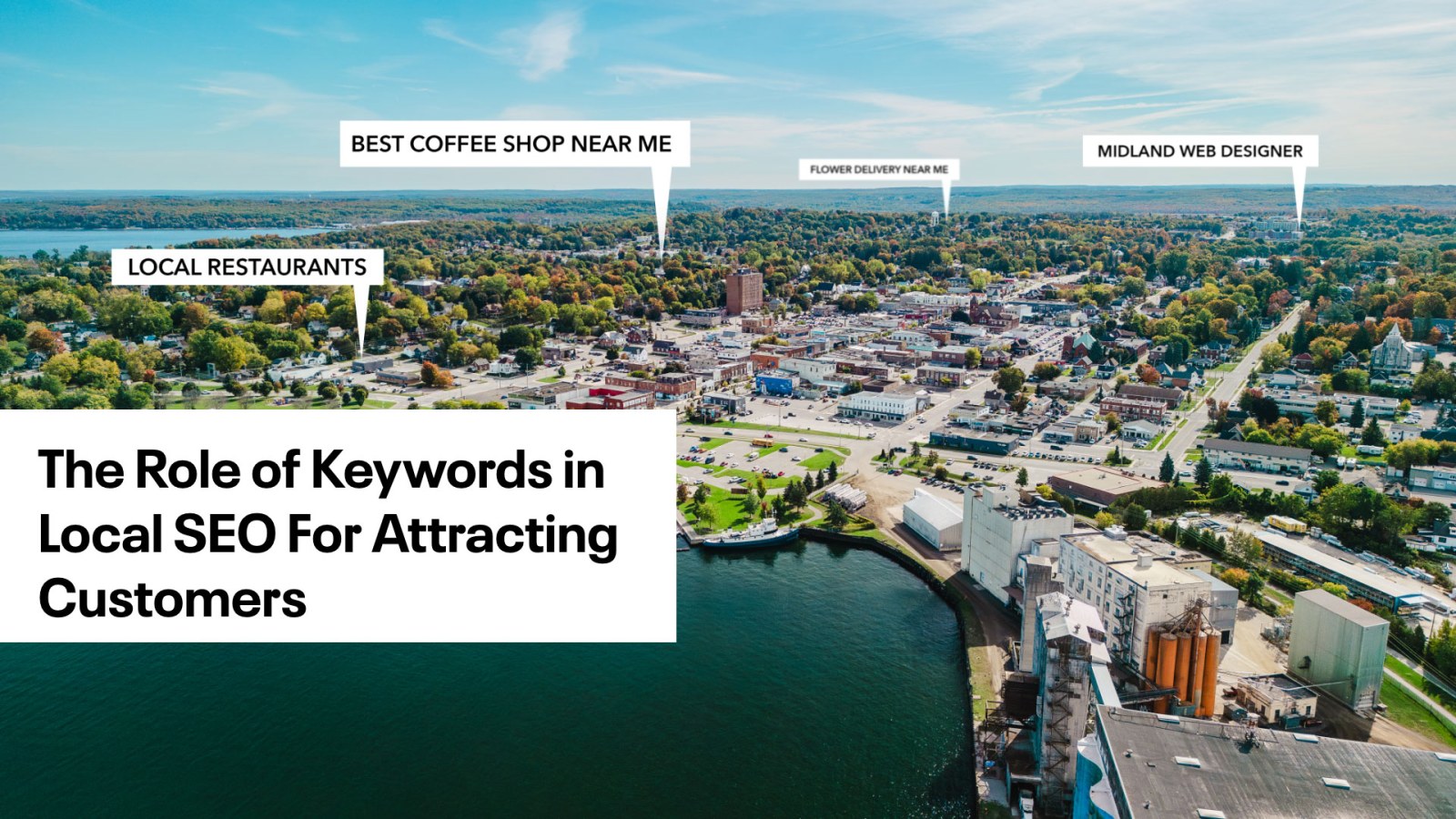
Local SEO focuses on positioning your business in front of people in your area who are actively seeking solutions. These might be customers searching for “best coffee shop near me” or “web designer in Midland.” Search engines use location signals, like your website, Google Business Profile, and backlinks from local websites, to determine who to show and where.
The right keywords ensure you’re not just visible, but visible to the people most likely to visit your store, call your office, or book your services.
Choosing Keywords that Connect Locally
Local SEO keywords typically combine two elements: the service or product you offer and a specific location. But there’s more to it than just adding your city name. Think about what someone would actually type if they were looking for you.
For example:
- Instead of just “plumber,” try “emergency plumber in Barrie.”
- Instead of “flower delivery,” use “same-day flower delivery Midland.”
Long-tail keywords like these are highly specific and usually indicate stronger intent. The more accurately your keywords match the way people search, the better chance you have of converting those searches into actual customers.
Integrating Local Keywords Naturally
Keywords aren’t just for Google or other search engines; they need to make sense for humans, too. Overstuffing your website with phrases like “North Simcoe web designer web designer North Simcoe” isn’t going to help anyone (and using invisible font is so 2005 and likely to drop your SEO instead of increasing it). Instead, focus on naturally including your keywords in:
- Page titles and headings
- Meta descriptions
- Service descriptions and blog content
- Google Business Profile descriptions
- Reviews and testimonials
Every placement is an opportunity to demonstrate to search engines and humans alike that your business is the local authority in your area.
Beyond Keywords: The Local SEO Toolbox
While keywords are important, local SEO works best when paired with other strategies:
- Google Business Profile: Keep it updated with photos, services, hours, and posts.
- Local Reviews: Encourage happy customers to leave positive reviews on Google and Yelp.
- Citations: Ensure your business is listed consistently across local directories.
- Mobile Optimization: Most local searches happen on phones—make sure your site is fast and easy to navigate.
Keywords are the bridge, but these elements are the foundation. Together, they create a presence that search engines trust and local customers can find.
Key Takeaway
If your business relies on local traffic, keywords are the connections to nearby customers who are actively looking for what you offer. When paired with smart local SEO strategies, they help your business show up in the right place, at the right time.
At cHaus, we believe in making SEO strategic, practical, and user-focused. It’s not about chasing rankings, it’s about getting the right people through your doors. Start thinking about your local keywords today, and you could see the difference in how easily new customers find you tomorrow. Want to work with an SEO team that produces great local results? Contact Us today.